❄️Barnes Ice Cap Retreats, Revealing 1000 CE Moss
Ancient moss exposed as ice retreats
TL;DR
The Barnes Ice Cap on Baffin Island is retreating, exposing moss killed 1000 CE. Radiocarbon dating shows the ice sheet re-expanded around 1800 CE, during the Little Ice Age.
The Barnes Ice Cap on Baffin Island is retreating, revealing moss killed 1000 CE. Radiocarbon dating shows the ice sheet re-expanded around 1800 CE, during the Little Ice Age. This retreat exposes a unique timeline of climate change, from 10,000 years ago to today. The ice sheet's retreat since 1960 is alarming, with models predicting its disappearance within a few centuries under any emissions scenario.
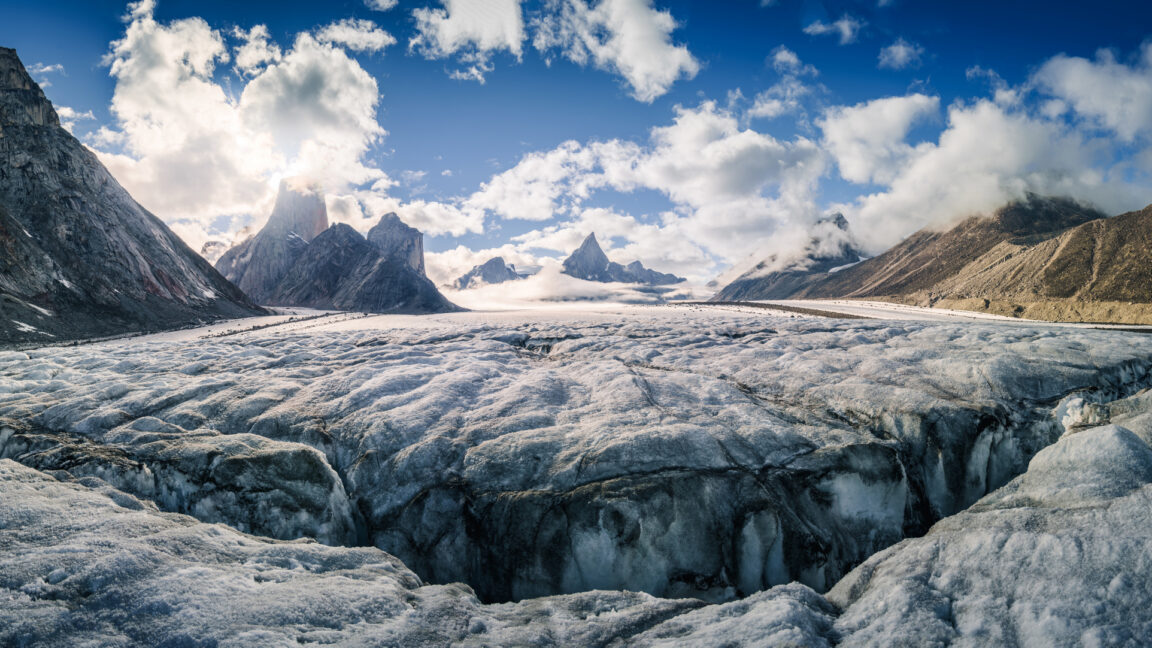
Key Points
Barnes Ice Cap's margin has retreated 200 to 800 meters since 1960, exposing moss killed from 1000 CE.
Radiocarbon dating of moss samples clusters around 1800 CE, marking the Little Ice Age.
Solar energy reaching high northern latitudes peaked 10,000 to 11,000 years ago and has since declined.
Atmospheric CO2 increased by roughly 20 parts per million between 8,000 and 2,000 years ago.
Under any emissions scenario, Barnes Ice Cap is predicted to disappear within a few centuries.
Why It Matters
If you're studying climate change impacts in the Arctic, the Barnes Ice Cap's retreat offers a unique timeline. Radiocarbon dating shows re-expansion around 1800 CE, during the Little Ice Age. Today, the ice cap is dying, with none of its surface above the snow line, highlighting the rapid pace of modern climate change.
Comments
Be the first to comment
Enjoyed this article?
Get it daily. 7am. Free. Reads in 5 minutes.
Join 3,567 builders reading daily.