🚀China Targets Crewed Moon Landing by 2030 With Two Long March 10 Rockets
Space race just got a hard 2030 deadline
TL;DR
China wants Taikonauts on the lunar surface by 2030, using two Long March 10 rockets to launch a lander and a crew capsule that will dock in lunar orbit. Uncrewed Moon visits come first. For developers, this is a fresh signal about how fast China is moving on space-grade software and hardware standards.
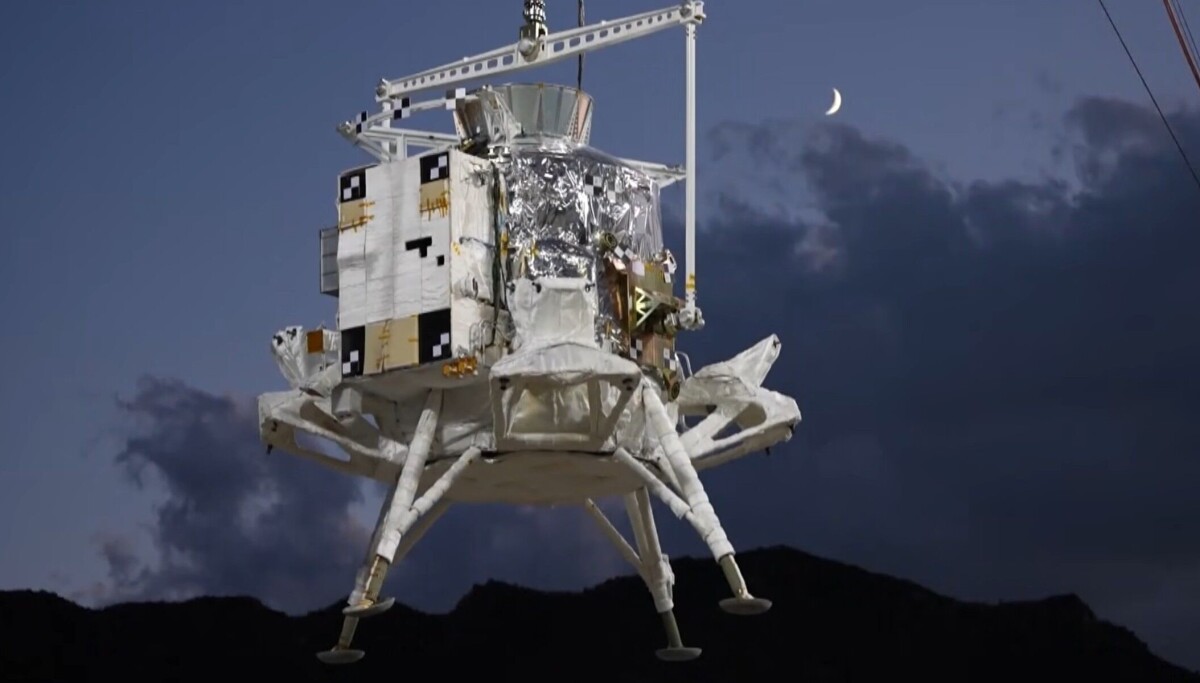
China's crewed program is aiming for a Moon landing by 2030, and the plan is more concrete than most of the headlines suggest. Two Long March 10 rockets would launch separately: one carrying the Lanyue lander, the other hoisting the Mengzhou crew capsule. The two craft meet in lunar orbit, two Taikonauts transfer to Lanyue, and they descend to the regolith. Why should you care? Because the engineering stack behind this is getting standardized fast. China's Manned Space Engineering Office published 17 new standards covering everything from Ethernet and Wi-Fi architecture on the space station to signage in orbit. If you build embedded systems, networking gear, or simulation tooling for aerospace, this is a market and a spec sheet you'll eventually have to read. The schedule has real gaps. China called off its last moonshot in August after it failed to meet launch criteria, and the Chang'e 7 south pole ice mission is being retried next year. Near-Earth orbit test flights for both vehicles are planned in the coming years, and an uncrewed lunar visit comes before any crewed attempt. Hitting 2030 depends on those tests going cleanly.
Key Points
The mission uses two Long March 10 rockets: one launches the Lanyue lander, the other lifts the Mengzhou crew capsule into orbit.
Keep reading — it's free
Enter your email to keep reading — plus the best of AI & tech, daily. Free, forever.
Already a member? Sign in
Comments
Be the first to comment