🔬Male Human Pelvis Adaptation for Energy-Efficient Walking
Men's pelvises evolved to walk longer distances more efficiently
TL;DR
A study finds male human pelvises are uniquely adapted for energy-efficient walking, giving men a long-distance advantage. This could impact biomechanics and injury prevention research.
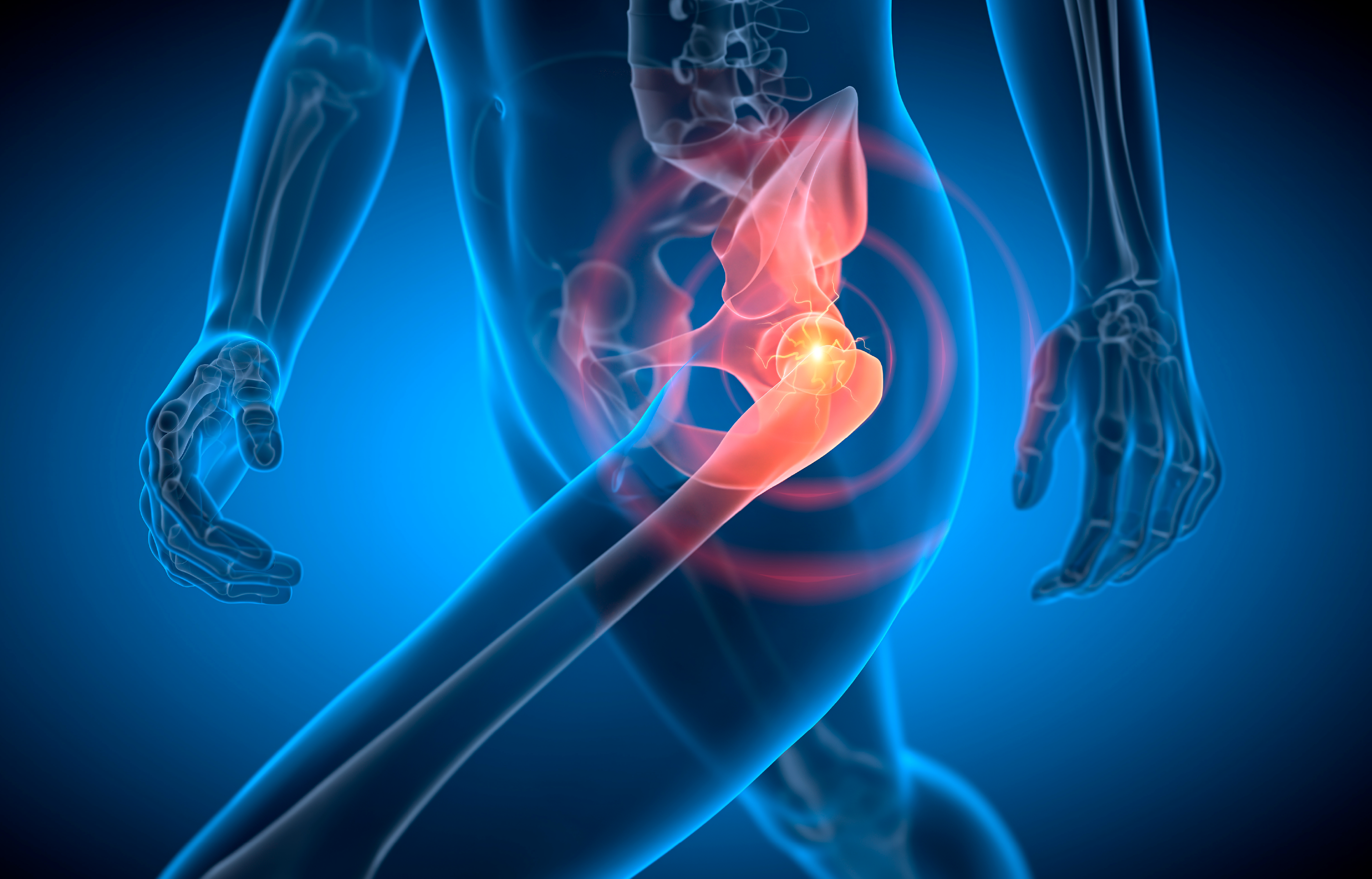
New research published in Scientific Reports reveals that modern human males have evolved pelvic structures optimized for efficient locomotion. The unique configuration of hip sockets oriented more toward the front of the pelvis allows better shock absorption and energy recovery during walking, potentially giving men an advantage over long distances. This adaptation is crucial for understanding how humans became adept at long-distance travel, impacting fields like biomechanics and rehabilitation medicine. The study analyzed 91 modern human pelvises (63 male, 28 female) alongside two complete Neanderthal pelvises.
Key Points
Study analyzed 91 modern human pelvises (63 male, 28 female) compared to two Neanderthal pelvises
Male pelvic configuration allows better shock absorption and energy recovery during walking
Women's pelvises were constrained by childbirth demands, preventing similar adaptations
Findings could inform research in biomechanics, musculoskeletal medicine, rehabilitation, injury prevention
Understanding human evolution provides new insights into the modern body's mechanics
Why It Matters
If you're involved in biomechanics or musculoskeletal medicine, this study offers a fresh perspective on how pelvic structure impacts walking efficiency. For instance, researchers studying long-distance running could use these findings to develop more effective training programs for male athletes.
Frequently Asked Questions
Why does this matter?
If you're involved in biomechanics or musculoskeletal medicine, this study offers a fresh perspective on how pelvic structure impacts walking efficiency. For instance, researchers studying long-distance running could use these findings to develop more effective training programs for male athletes.
What happened?
A study finds male human pelvises are uniquely adapted for energy-efficient walking, giving men a long-distance advantage. This could impact biomechanics and injury prevention research.
Comments
Be the first to comment
Enjoyed this article?
Get it daily. 7am. Free. Reads in 5 minutes.
Join 3,265 builders reading daily.