🚀NASA Abandons Swift Telescope Rescue Mission
Rescue mission for Swift telescope fails after months of effort
TL;DR
Katalyst Space Technologies' Link satellite, designed to rescue NASA's aging Swift gamma-ray telescope, has failed due to technical issues. Despite a $30 million contract and nine-month turnaround, the mission was always risky given Swift's deteriorating orbit.
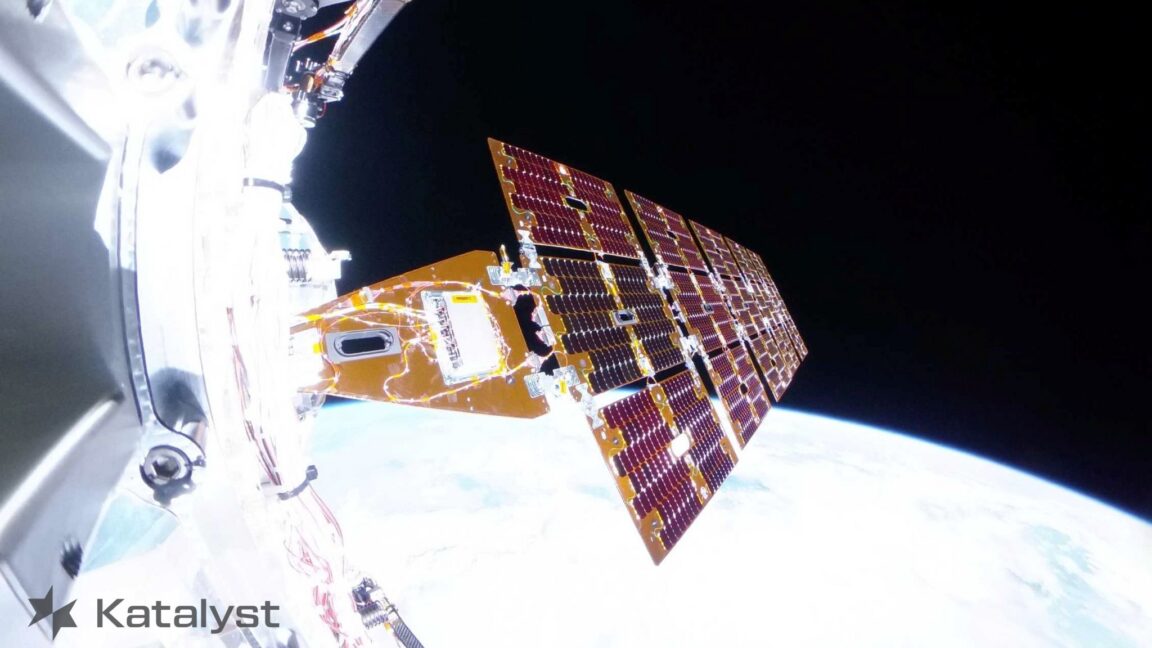
NASA and Katalyst Space Technologies announced they are abandoning efforts to rescue the Swift gamma-ray telescope with their Link satellite. The ambitious project faced significant challenges from the start, including an aggressive timeline that forced engineers to take technical risks. Despite initial success in orbit, Link encountered attitude control issues, spinning out of control and losing two reaction wheels. With only plasma thrusters left for orientation control, Katalyst is now focusing on maximizing the satellite's remaining capacity. Swift has far exceeded its original lifespan but lacks thrusters to maintain orbit, making rescue essential for extending its operational life.
Key Points
NASA awarded Katalyst a $30 million contract in early 2022 for the Link mission, with launch by summer required to reach Swift before reentry.
Link satellite launched July 3, about the size of a refrigerator with two solar arrays and three xenon-fueled electric thrusters.
In late July, Link spun out of control, losing two reaction wheels and facing issues with cold gas thrusters for precise pointing.
Swift telescope has far outlived its original two-year design but lacks thrusters to maintain orbit, making rescue critical before reentry.
Despite failure, Katalyst aims to utilize Link's remaining capacity, highlighting the risks of ambitious space missions on tight schedules.
Why It Matters
If you're working with aging satellites or planning high-risk space missions, Swift's failed rescue mission highlights the importance of thorough risk assessment and realistic timelines. Engineers must balance ambition with practical constraints to ensure mission success.
Frequently Asked Questions
Why does this matter?
If you're working with aging satellites or planning high-risk space missions, Swift's failed rescue mission highlights the importance of thorough risk assessment and realistic timelines. Engineers must balance ambition with practical constraints to ensure mission success.
What happened?
Katalyst Space Technologies' Link satellite, designed to rescue NASA's aging Swift gamma-ray telescope, has failed due to technical issues. Despite a $30 million contract and nine-month turnaround, the mission was always risky given Swift's deteriorating orbit.
Comments
Be the first to comment
Enjoyed this article?
Get it daily. 7am. Free. Reads in 5 minutes.
Join 3,227 builders reading daily.