🚀NASA Greenlights PRIMA, First Probe Explorer Mission for 2030s
NASA's new budget-friendly space observatory is coming up in the 2030s
TL;DR
NASA has given the go-ahead for PRIMA, the first Probe Explorer mission, set to launch in the early 2030s with a $1.2 billion cap. PRIMA will observe the universe in far-infrared light, peering deeper than any current NASA telescope.
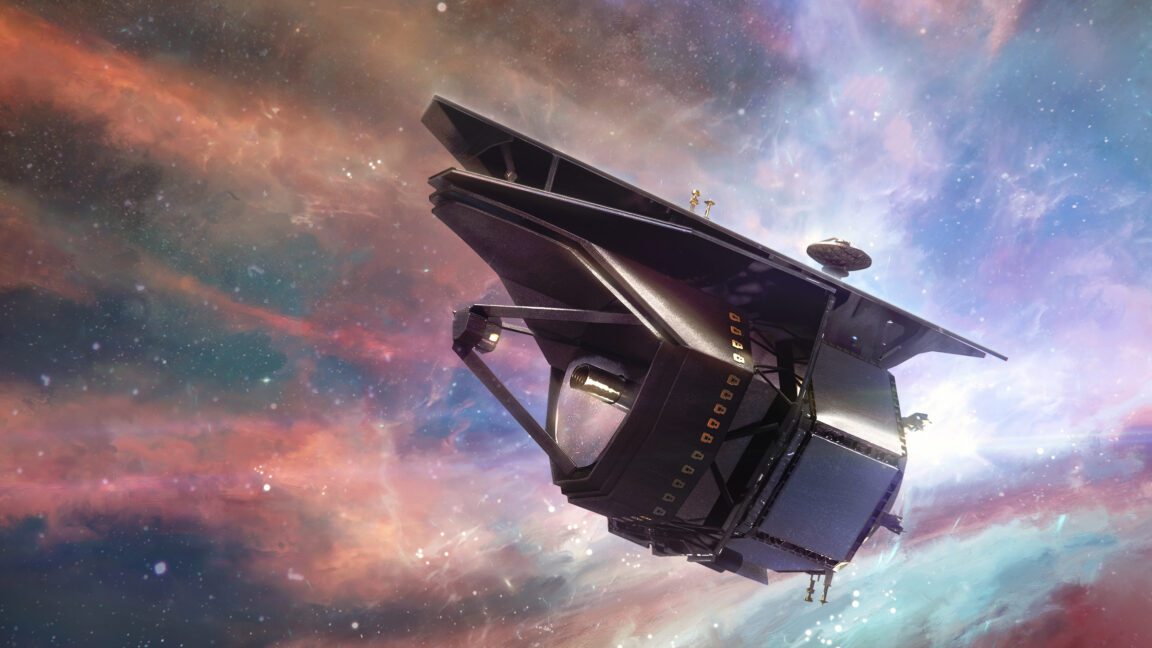
NASA has officially greenlit PRIMA, the first mission in its new Probe Explorer series, with a launch window in the early 2030s. PRIMA will observe the universe in far-infrared light, a range that offers unique insights into the cosmos. This mission is a game-changer for space exploration, as it aims to do more science for less money, with a cost cap of $1.2 billion excluding launch costs. PRIMA will orbit the Sun-Earth L2 Lagrange point, and its primary optics will be cooled to 4.5 Kelvin, allowing it to observe wavelengths between 24 and 235 micrometers. This mission builds on the legacy of the Herschel space telescope and sets the stage for future observatories like the Habitable Worlds Observatory, planned for the 2040s.
Key Points
PRIMA, the first Probe Explorer mission, will launch in the early 2030s with a $1.2 billion cost cap.
PRIMA will observe the universe in far-infrared light, peering deeper than any current NASA telescope.
Primary optics will be cooled to 4.5 Kelvin, allowing observation of wavelengths between 24 and 235 micrometers.
PRIMA will orbit the Sun-Earth L2 Lagrange point, a million miles from Earth.
NASA aims to use PRIMA's success to inform future missions like the Habitable Worlds Observatory.
Why It Matters
PRIMA's $1.2 billion cap and focus on far-infrared observation will provide unprecedented insights into the universe. This mission sets the stage for more cost-effective space exploration, with future observatories like the Habitable Worlds Observatory planned for the 2040s.
Comments
Be the first to comment
Enjoyed this article?
Get it daily. 7am. Free. Reads in 5 minutes.
Join 3,555 builders reading daily.