📱Uber Eats Migrates to Single-Page WebView Architecture
Uber Eats Ditches Native Apps for WebViews
TL;DR
Uber Eats has moved from native app screens to a single-page WebView architecture, aiming to bypass lengthy review cycles and gain full control over the stack. This shift impacts how large-scale UI migrations are handled.
Uber Eats recently switched its mobile app from traditional native stacks to a single-page WebView architecture. The move was driven by the need for faster release cycles and more control over the development process, especially in light of delays caused by Apple and Google's review processes. This change impacts teams managing complex UIs across multiple platforms, as it allows for easier state management and cross-platform consistency without sacrificing performance metrics. With hundreds of developers working on analytics and thousands of logged metrics, this transition was a significant shift that could set new standards in app development.
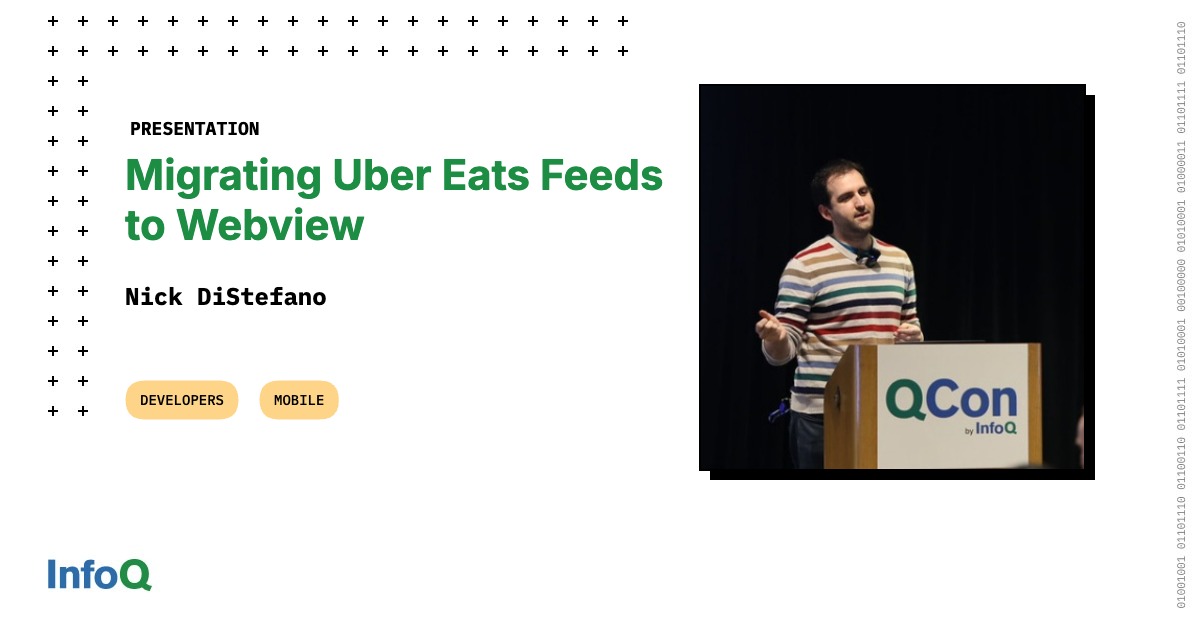
Key Points
Hundreds of native app screens were built using traditional stacks, now replaced by a single-page WebView architecture.
The migration aimed to manage cross-platform state more effectively and build generic message bridges between native and web components.
Thousands of metrics were logged to ensure key performance indicators remained stable during the transition.
Uber Eats spent years working on this concept, which is successful if you have a strict design language for layout components.
The company migrated in phases, starting with one complex feed before moving to others.
Why It Matters
If your team struggles with lengthy review cycles and needs full control over the stack, Uber Eats' move to WebView architecture could be a game-changer. This shift impacts large-scale UI migrations and state management across multiple platforms.
Frequently Asked Questions
Why does this matter?
If your team struggles with lengthy review cycles and needs full control over the stack, Uber Eats' move to WebView architecture could be a game-changer. This shift impacts large-scale UI migrations and state management across multiple platforms.
What happened?
Uber Eats has moved from native app screens to a single-page WebView architecture, aiming to bypass lengthy review cycles and gain full control over the stack. This shift impacts how large-scale UI migrations are handled.
Comments
Be the first to comment
Enjoyed this article?
Get it daily. 7am. Free. Reads in 5 minutes.
Join 2,973 builders reading daily.