🛰️Voyager 1 Goes Silent for Days in October Before Resuming Contact
Voyager 1 just went dark, and the clock is ticking
TL;DR
NASA lost contact with Voyager 1 on October 18 and again on October 19 before the signal returned on October 20. Likely cause: thrusters switched to backups, hinting at a safe mode. The mission is winding down, and the silence is a reminder that it won't last forever.
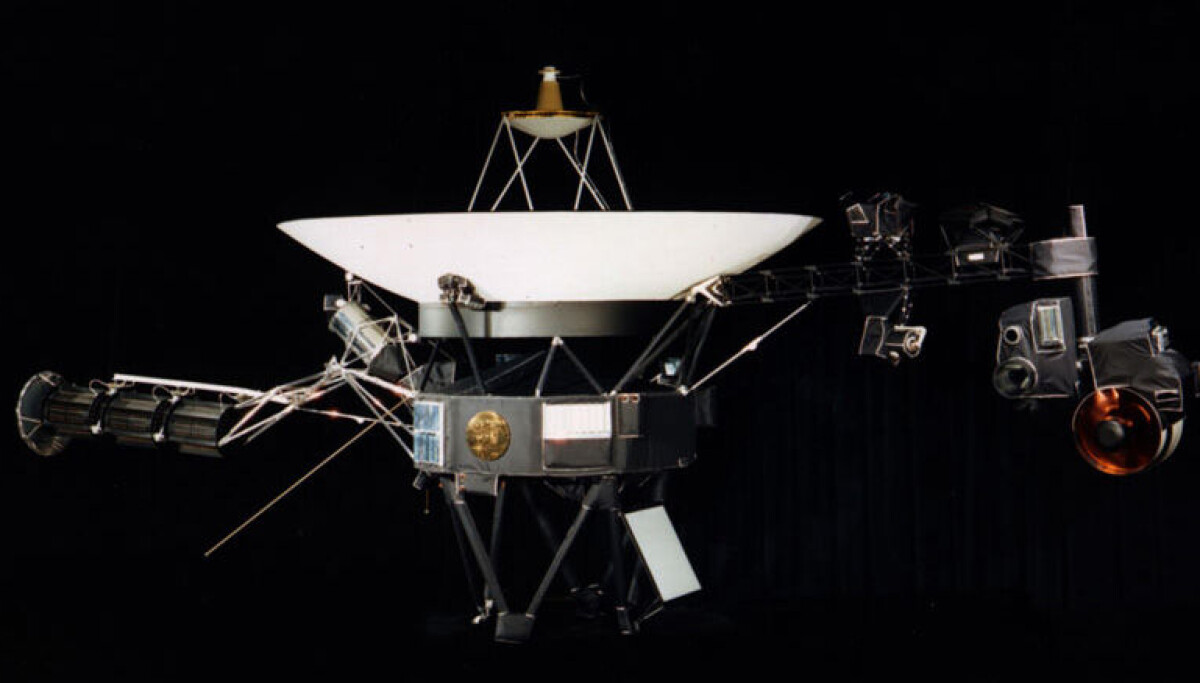
Voyager 1 went quiet for a few days in October. No signal reached NASA's Deep Space Network on October 18, and the next attempt on October 19 also came up empty. Then the signal came back on October 20, and engineers are still working out what happened. The likely culprit is a set of thrusters that went offline, with backups switched on in their place. That pattern suggests the spacecraft detected a problem and dropped into safe mode. For anyone who follows long-running systems, it's a familiar story: a fault, a failover, and a recovery nobody fully explains yet. The Voyager spacecraft recently got a life-extension procedure called the "Big Bang," which bought them a few more years. Voyager 2 went first, and Voyager 1 followed six weeks later in September. The brief outage is a reminder that the mission has an end date. In 2026, the end will arrive quietly. The DSN will fail to detect a final signal, and then engineers will spend months listening before they declare the mission over. Both spacecraft are still expected to reach their 50th anniversary next year, assuming technology and funding hold.
Key Points
Voyager 1 was unreachable by NASA's Deep Space Network on October 18, with the next scheduled attempt on October 19 also failing to detect any signal at all.
Keep reading — it's free
Enter your email to keep reading — plus the best of AI & tech, daily. Free, forever.
Already a member? Sign in
Comments
Be the first to comment