Skip to content
ContentBuffer
ContentBuffer
October 20, 2026·~4 min read
ContentBuffer

ContentBuffer

Welcome, Tech Leaders.

Arch Linux ARM on an ASUS ProArt P16 with 128GB RAM and 6,144 CUDA cores runs Qwen3.8-Flash-Next-FP4-Local, allocating nearly 90GB to the model and KV cache. This setup is a game-changer for developers needing massive RAM for AI models. The model loads in 16 minutes, with a median response time of 4 seconds for code review. Windows users lag behind with 29.4 tokens/s vs 30.9 tokens/s on Linux. If you're working with large AI models, this setup could be a game-changer.

Russian military satellite Kosmos 2612 maneuvered within 500 meters of commercial Earth-imaging satellite ICEYE-X36, a move seen as a strategic provocation. This maneuver, closely monitored by US officials, demonstrates Russia's capability to conduct sophisticated rendezvous and proximity operations in space. The deliberate nature of these maneuvers highlights the growing tension and potential for conflict in space, especially concerning satellites with military utility. ICEYE's satellites provide critical intelligence to Ukraine, making them a strategic target for Russia. The US military's recent disclosure of space-based weapons underscores the escalating arms race in orbit. Let's dive deeper…

In today's ContentBuffer update:

  • Ahold Delhaize Cyberattack: Offline Systems Restore

  • Amazon Funds 1 GW Nuclear Plant for Indiana Datacenters

  • OpenAI engineer detained for alleged espionage

  • Battery Emissions Could Surge Tenfold by 2050

  • 5 new AI tools & 5 new AI jobs

  • More tech news

Latest Development

Machine-learning
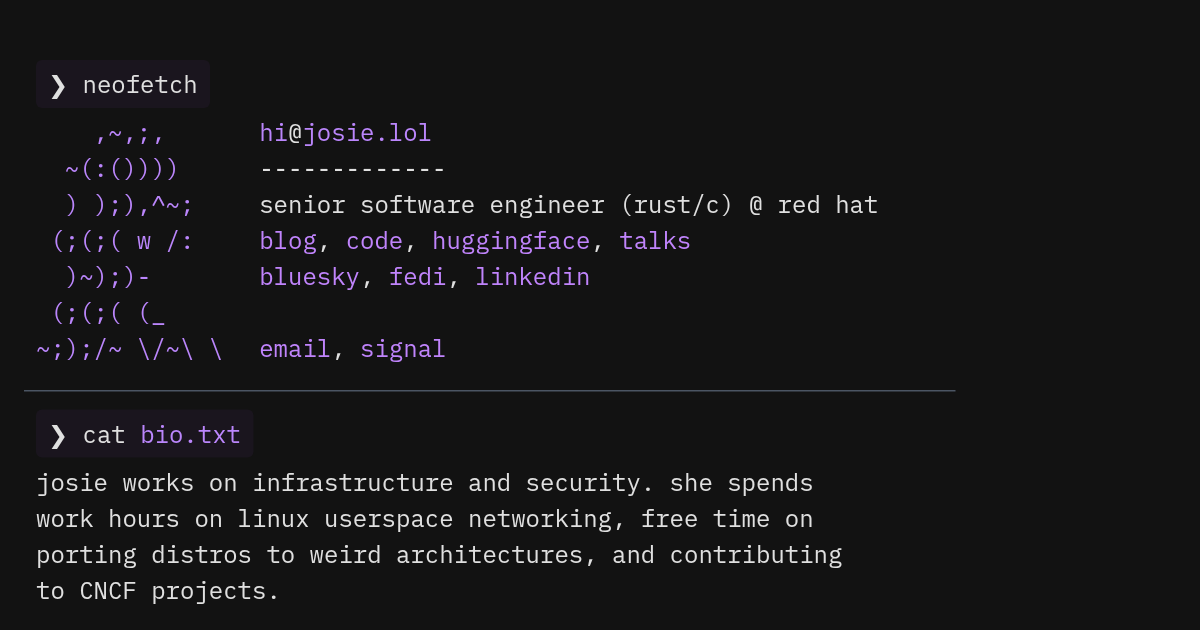
Arch Linux on ProArt P16: 110GB RAM, 90GB Model Load

Image source: josie.lol

Summary: Arch Linux ARM runs Qwen3.8-Flash-Next-FP4-Local on ProArt P16 with 110GB RAM, allocating 90GB to the model. 16-minute load time, 4-second median response. Windows users lag behind.

Key Points:

  • Arch Linux ARM runs Qwen3.8-Flash-Next-FP4-Local with 110GB RAM, allocating 90GB to the model and KV cache.

  • 16-minute load time for Qwen3.8-Flash-Next-FP4-Local before the first request.

  • Median response time of 4.036 seconds for code review on Linux setup.

  • Windows users lag behind with 29.4 tokens/s vs 30.9 tokens/s on Linux.

  • ProArt P16 tested with 20-core N1X, Windows 7-Zip score of 155.774.

Why it matters: If you're working with large AI models on Linux, this setup could be a game-changer. Arch Linux ARM runs Qwen3.8-Flash-Next-FP4-Local with 110GB RAM, allocating 90GB to the model and KV cache. The 16-minute load time and 4-second median response time for code review make it a powerful tool for developers. Windows users lag behind with 29.4 tokens/s vs 30.9 tokens/s on Linux.

Cybersecurity
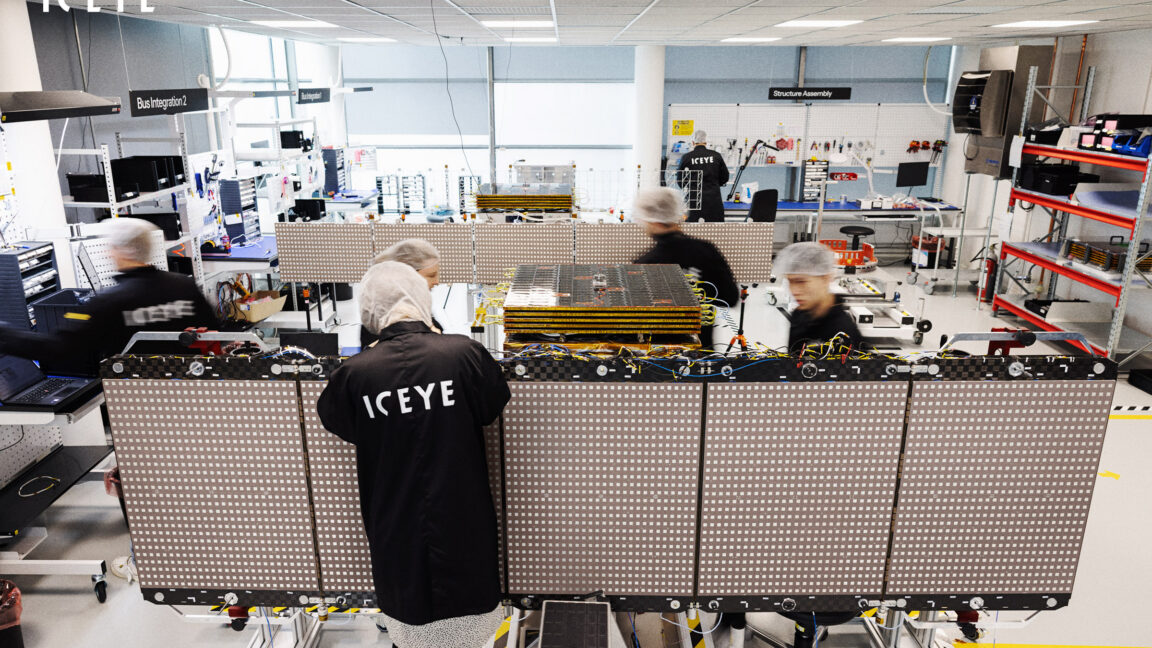
Russian Satellite Closes In On ICEYE-X36

Image source: cdn.arstechnica.net

Summary: Russian satellite Kosmos 2612 maneuvered dangerously close to ICEYE-X36, a commercial Earth-imaging satellite. This provocative move highlights the growing tension in space security.

Key Points:

  • Russian military satellite Kosmos 2612 maneuvered within 500 meters of ICEYE-X36 over the weekend.

  • ICEYE-X36 is part of a Finnish company's fleet of 80 high-resolution radar imaging satellites.

  • ICEYE satellites provide near-real-time space-based intelligence to military users, including Ukraine.

  • The US military has placed weapons in space but has not elaborated on specifics.

  • ICEYE plans to launch four more satellites this week on a SpaceX rideshare mission.

Why it matters: ICEYE's satellites provide critical intelligence to Ukraine, making them a strategic target for Russia. The deliberate maneuvers by Kosmos 2612 highlight the growing tension and potential for conflict in space. Military users relying on ICEYE's satellite imagery need to be aware of the risks and potential disruptions to their operations.

Cyberattack
Ahold Delhaize Hit by Cyberattack, Offline Systems Restore

Image source: image.theregister.com

Summary: Ahold Delhaize suffered a cyberattack, taking offline its US and European systems. No sensitive data was compromised, and physical stores remained open. Recovery efforts are underway.

Key Points:

  • Ahold Delhaize experienced a cyberattack on October 12, taking offline its US and European systems.

  • No sensitive customer, associate, or partner data was compromised during the attack.

  • Physical stores remained open during the incident, with home deliveries expected to resume on Friday.

  • Ahold Delhaize notified the Dutch National Cyber Security Centre and filed a report with Dutch police.

  • This is the second major cyberattack faced by Ahold Delhaize in two years.

Why it matters: Ahold Delhaize's cyberattack highlights the critical importance of robust cybersecurity measures. For IT teams managing large-scale operations, this serves as a stark reminder of the potential impact of cyber threats. The proactive measures taken by Ahold Delhaize to secure systems demonstrate the value of swift action in mitigating damage.

Datacenters
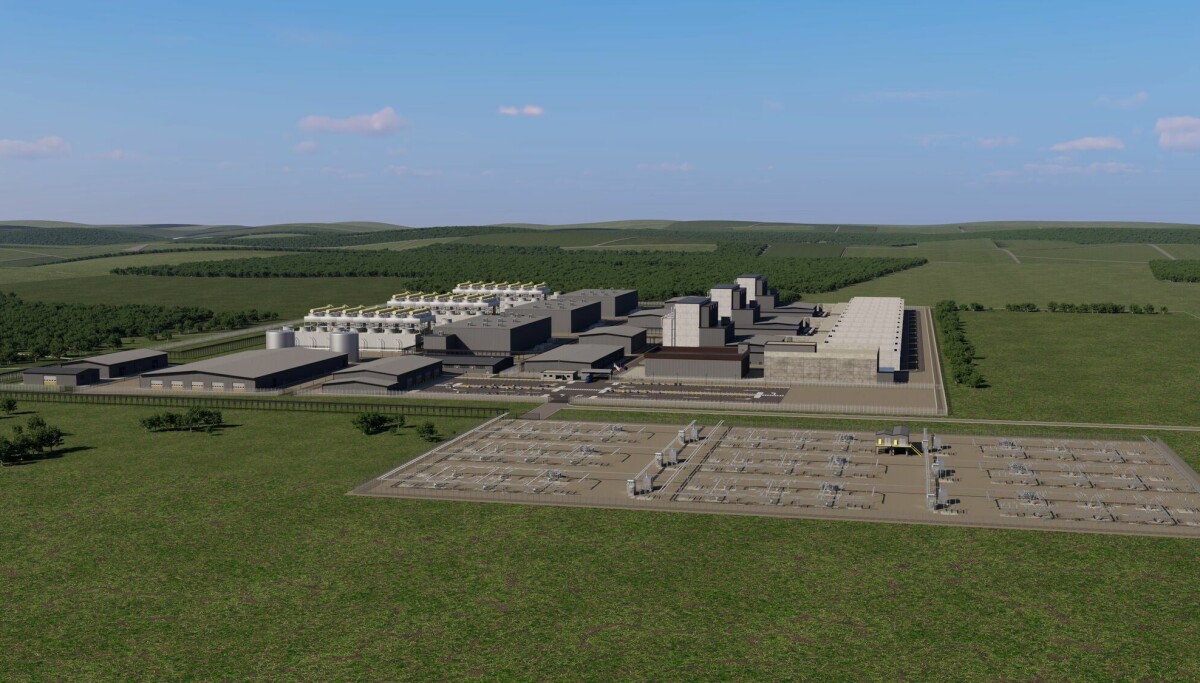
Amazon Funds 1 GW Nuclear Plant for Indiana Datacenters

Image source: image.theregister.com

Summary: Amazon is funding a 1 GW nuclear plant in Indiana, betting on unproven SMR tech to power its datacenters. The project faces regulatory hurdles and uncertain timelines.

Key Points:

  • Amazon is investing billions in a 1 GW nuclear facility in Indiana, set to power its datacenters.

  • The facility will use 12 Xe-100 small modular reactors (SMRs) at a former coal plant site.

  • Amazon is the first power purchaser for the facility, with a possible completion date in the mid-2030s.

  • The US has yet to build a single operable SMR, while China and Russia have functional SMRs.

  • Nuscale is the only US company with a standard design approval for an SMR from the NRC.

Why it matters: Amazon's investment in a 1 GW nuclear plant in Indiana could set a precedent for future nuclear projects. However, the project's success hinges on overcoming significant technical and regulatory challenges. For companies like Amazon, this move could pave the way for more sustainable and reliable power sources, but it also highlights the risks and uncertainties of adopting immature technologies.

Cybersecurity
OpenAI Engineer Detained for Alleged Espionage

Image source: cdn.arstechnica.net

Summary: US government detains OpenAI engineer for alleged espionage, using company tools to gather intelligence. Big security implications.

Key Points:

  • Court granted US government's request to detain OpenAI engineer accused of spying for Saudi Arabia.

  • Engineer accessed 'Saudi Gov Docs' folder on his iPhone and booked a one-way ticket to Riyadh.

  • Engineer's wife and son booked a sooner flight and left the US without him, raising suspicion.

  • FBI found evidence of a second bug planted by the engineer in OpenAI's offices.

  • Engineer used OpenAI's productivity agent to research potential targets for espionage.

Why it matters: This case highlights the risks of working with sensitive technology in a globalized world. If you're handling classified or proprietary information, ensure your security protocols are robust. The engineer's alleged use of OpenAI's tools to gather intelligence underscores the importance of data security and compliance.

Sustainability
Battery Emissions Could Surge Tenfold by 2050

Image source: cdn.arstechnica.net

Summary: Battery production emissions could surge tenfold by 2050, but recycling and cleaner processes can cut the carbon footprint by 34% by 2050. This impacts the sustainability of electric vehicles and energy storage systems.

Key Points:

  • Lithium-ion battery production emissions could increase tenfold by 2050, according to a new study.

  • Recycling batteries can reduce the energy needed for new production, cutting CO2 emissions significantly.

  • Cleaner production processes can reduce the carbon footprint of a battery by 34% by 2050.

  • Efforts to extend battery life and reduce demand can avoid up to 4.7 billion tons of CO2 emissions by 2050.

  • Repurposing end-of-life vehicle batteries for energy storage can contribute another 8% to reducing demand.

Why it matters: If you're involved in electric vehicle manufacturing or energy storage systems, the emissions from battery production could increase tenfold by 2050. However, recycling batteries and adopting cleaner production processes can cut the carbon footprint by 34% by 2050. This is crucial for companies aiming to reduce their environmental impact and comply with future regulations.

New Tools & Job

  • MachineTranslation.com - MachineTranslation.com is an AI-powered translation platform that translates text and documents by comparing outputs from multiple leading AI translation models. Its consensus technology helps users choose the most accurate translation, reducing errors and improving quality across more than 330 languages. What it does Translates text and documents using AI. Compares translations from multiple AI models. Provides a consensus translation to improve accuracy. Supports 330+ languages. Helps users evaluate and refine translations. What makes it good Higher accuracy: Compares multiple AI translations instead of relying on a single model. Better quality: Consensus technology helps identify the strongest translation. Fast and easy: Delivers results in seconds with a simple interface. Broad language support: Covers over 330 languages. Useful for professionals and travelers: Suitable for business, marketing, legal, technical, and everyday communication.

  • Format Factory - Format Factory is a browser-based workbench for common audio and video conversion jobs. It supports batch processing for video and audio conversion, compression, merging, audio extraction, and audio removal, with transparent credits and temporary results. Try Format Factory for practical media conversion without installer bundles or per-file setup.

  • HappyHorse.AI - HappyHorse.AI is a multimodal AI video generator for creators, marketers, and social media teams. Users can create videos from text prompts, animate images, or generate videos from reference characters. The platform focuses on browser-based video creation and native audio support.

  • NeatScribe - NeatScribe is designed for anyone who needs to reuse information from recorded speech. It creates timestamped transcripts, supports translation, and exports results as text files, documents, subtitles, captions, or timed lyrics.

  • Sakana Marlin - Sakana Marlin is Sakana AI's first commercial product: an autonomous 'Ultra Deep Research' agent positioned as a Virtual Chief Strategy Officer. Given a research topic, Marlin works autonomously for up to roughly eight hours, forming hypotheses, gathering and reconciling information from online sources, and synthesizing a detailed strategy report up to ~100 pages plus executive-summary slides. It builds on Sakana AI research including AB-MCTS (NeurIPS 2025 Spotlight) and The AI Scientist (published in Nature). A closed beta ran from April 2026 with ~300 professionals across finance and consulting.

QUICK HITS

Read more news here →

THAT'S A WRAP

Partner with Us

Showcase your product to our engaged community of Tech enthusiasts

Our newsletter reaches a diverse audience of tech professionals, investors, engineers, managers, and business leaders worldwide. Get in touch today.

Comments

Subscribe to join the conversation...

Be the first to comment

Want this in your inbox?

Get the daily edition delivered free every morning.

Join 3,569 builders reading daily.

Also get