⚛️IBM Unveils 500-Qubit Nighthawk Chip, Cuts Multi-Chip Plan From Nine Systems to Two
Your quantum roadmap just got a lot more concrete
TL;DR
IBM is expanding its Nighthawk line with a 500-plus qubit version in 2027 and scaling back multi-chip linking from nine systems to two. Hardware qubit resets already sped some operations up to 19x. If you're testing quantum algorithms today, the public-facing track is now your real target.
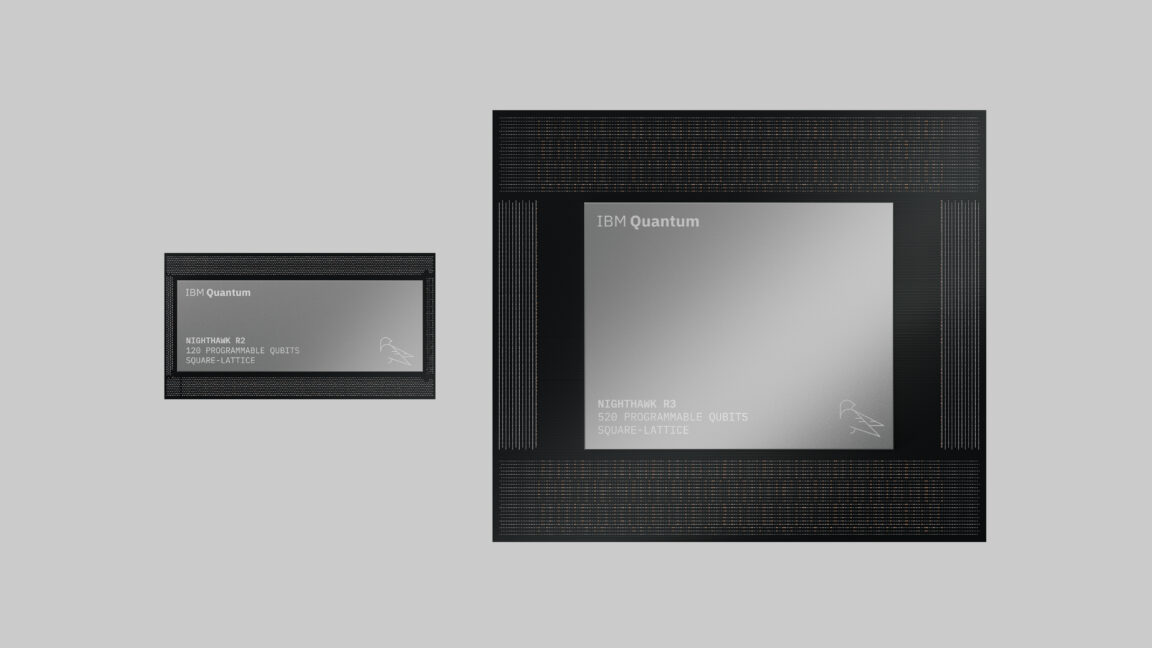
IBM just traded ambition for realism on its quantum roadmap. The company is dropping its plan to link nine Nighthawk processors together, cutting that to two, while adding a 500-plus qubit version of Nighthawk for 2027. If you're experimenting with quantum algorithms today, this is the track that matters. IBM split its roadmap into two lanes: a research track building error-correction hardware, and a public track delivering processors you can actually run code on. Nighthawk is the public one, and the 2027 target of 520 programmable qubits makes it a much bigger playground. The performance story is hardware-based qubit resets, added to the Nighthawk r2 chip released in September. IBM dedicated a lot of silicon to returning qubits to their ground state, and the company reports up to a 19-fold speedup on some operations. The 2026 target is 360 qubits from three linked chips, and the 1040-qubit machine now depends on linking just two. IBM also showed four L-couplers joining two Nighthawk R1 processors with state transfer fidelity up to 99.4 percent, close to its 99.9 percent goal. Total qubit count for next year stays the same.
Key Points
The Nighthawk r3 processor, targeted for 2027, aims for 520 programmable qubits, up from the 120 hardware qubits in earlier Nighthawk generations.
Keep reading — it's free
Enter your email to keep reading — plus the best of AI & tech, daily. Free, forever.
Already a member? Sign in
Comments
Be the first to comment