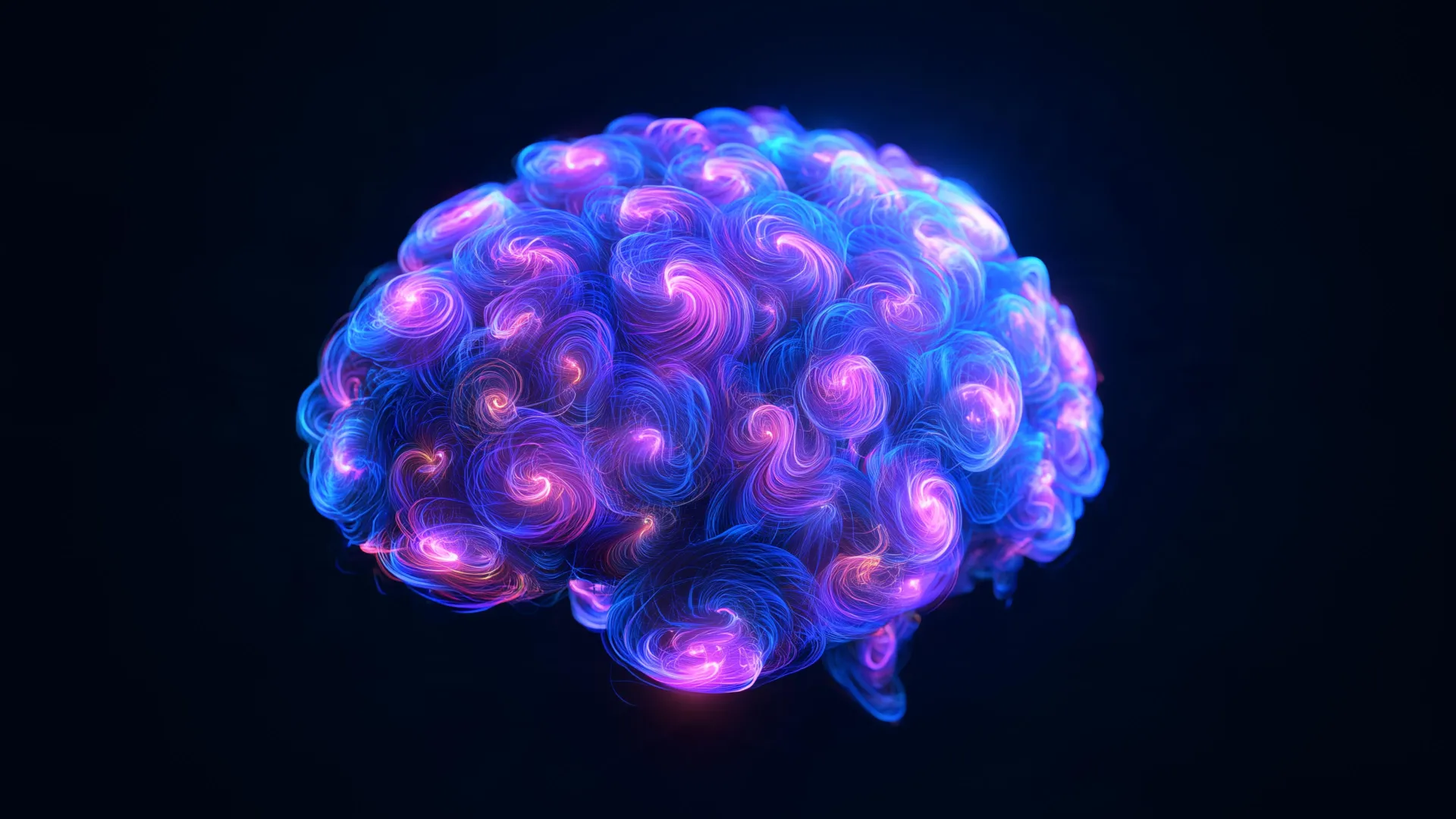
Scientists have filmed tiny magnetic vortices called skyrmions melting out of an organized lattice for the first time, a breakthrough that could lead to brain-like computers. This development could enable much smaller and more energy-efficient data storage and computing systems, potentially revolutionizing how we handle data. The study, published in Nature Nanotechnology in 2025, reveals how skyrmions behave when their organized structures break down, providing insights into how to control them precisely. This research could lead to new computing architectures that mimic biological brains, using magnetism to process information with very little energy.
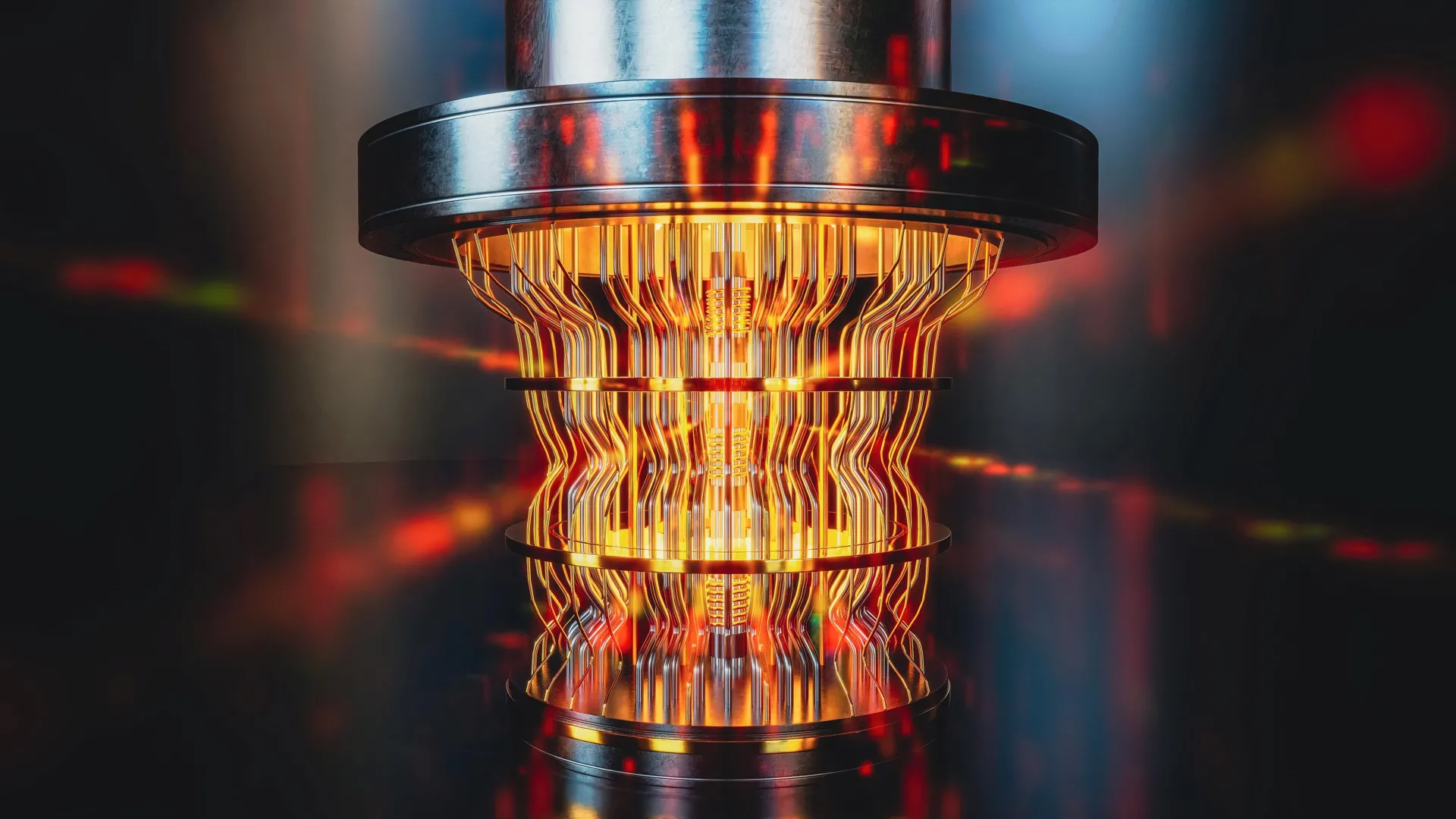
Scientists have hit a major milestone in quantum computing, achieving 99.9% accuracy with five silicon qubits operating at once. This breakthrough is crucial for scaling up quantum processors, which typically face accuracy drops when more qubits are added. The team used shared microwave control lines, a practical approach to managing multiple qubits without sacrificing precision. This development could pave the way for fault-tolerant quantum computers, capable of reliable calculations despite errors. The findings, published in Nature Physics, could revolutionize how we build and use quantum systems. Let's dive deeper…
In today's ContentBuffer update: